

Introduction
A Hydraulic Backpack-type Home Elevator Residential is a compact vertical transportation solution designed specifically for residential properties such as private villas, self-built houses, duplex homes, multi-story residences, and renovated buildings. It combines a Hydraulic Lifting System with a backpack-type structural arrangement to provide flexible installation options for homes where conventional elevator systems may require excessive space or major structural modifications.
As modern residential architecture becomes more diverse, homeowners increasingly need elevators that can adapt to different building layouts. A Residential Elevator may need to fit into a narrow space, connect multiple floors, preserve existing rooms, or provide convenient access for elderly family members and people with limited mobility. A hydraulic backpack-type home elevator can be customized around these requirements.
Unlike a standard commercial passenger elevator, a residential elevator is generally designed around the specific characteristics of a private home. Factors such as cabin dimensions, travel height, load capacity, door configuration, installation location, appearance, operating frequency, and building structure all influence the final design.
The hydraulic drive system generates lifting force through hydraulic pressure. A typical system consists of a hydraulic power unit, motor, pump, hydraulic fluid reservoir, valves, cylinder or jack, controller, and related safety components. The backpack-type structure organizes the lifting and supporting components in a compact configuration around the elevator cabin.
A Hydraulic Backpack-type Home Elevator Residential can be designed for indoor or outdoor applications. For existing homes, an external installation can sometimes preserve interior floor space. For new villas, the elevator can be integrated into the architectural design from the beginning.
The final elevator configuration should always be determined according to building conditions, intended use, applicable safety standards, and local regulations.
What Is a Hydraulic Backpack-type Home Elevator?
A hydraulic backpack-type home elevator is a residential elevator that uses hydraulic power to move a cabin vertically while adopting a backpack-style structural configuration.
The hydraulic system generates lifting force by pressurizing hydraulic fluid. The fluid is controlled through valves and delivered to the cylinder, creating the movement required to raise or lower the elevator cabin.
The main hydraulic components may include:
Hydraulic power unit
Electric motor
Hydraulic pump
Oil reservoir
Hydraulic cylinder
Control valves
Hydraulic hoses or pipes
Pressure protection components
Control system
The elevator structure may also include:
Guide rails
Supporting frame
Cabin
Landing doors
Door locks
Control panel
Safety sensors
Limit switches
Emergency devices
The backpack-type configuration can help optimize the relationship between the elevator cabin, guide structure, and lifting mechanism.
This makes the concept suitable for residential projects where available space or building geometry requires a customized solution.
Hydraulic Backpack-type Home Elevator Residential Parameters
Residential elevators are normally customized according to the building.
A typical specification framework may include:
Product Type | Hydraulic Backpack-type Home Elevator |
Application | Residential |
Drive Type | Hydraulic |
Installation | Indoor / Outdoor |
Rated Load | Customized |
Number of Floors | Customized |
Number of Stops | Customized |
Travel Height | Customized |
Cabin Size | Customized |
Door Type | Manual / Automatic |
Door Configuration | Customized |
Cabin Material | Stainless Steel / Glass / Customized |
Control System | Residential Elevator Control System |
Power Supply | According to Local Standard |
Safety System | Multiple Protection Functions |
Emergency Function | Configuration Dependent |
Finish | Customized |
Supporting Structure | Customized |
Installation | Project-specific |
The table provides a design framework rather than universal specifications. The actual rated load, dimensions, speed, travel distance, and safety configuration should be confirmed by the manufacturer.
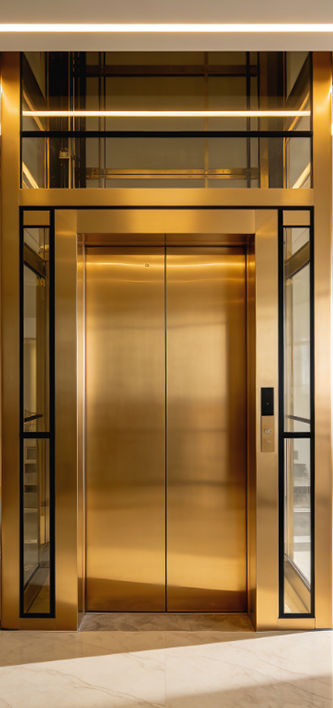
Key Features of Hydraulic Backpack-type Home Elevator Residential
The hydraulic drive system is the main mechanical feature of this type of residential elevator.
A hydraulic system can provide controlled lifting and lowering through the interaction of the motor, pump, hydraulic fluid, valves, and cylinder.
This configuration can be adapted to different residential travel requirements.
The backpack-type arrangement can provide a compact structural layout.
This is useful for homes where a conventional elevator arrangement may not fit easily within the available space.
The elevator can be designed around residential requirements rather than commercial passenger traffic.
This includes consideration of:
Compact dimensions
Interior appearance
Convenient controls
Low-rise travel
Residential operating frequency
Accessibility
Home safety
Architectural integration
A residential elevator can be customized according to the home's architectural style.
Common cabin materials include:
Stainless steel
Glass
Painted steel
Aluminum
Decorative panels
Additional options may include:
LED lighting
Handrails
Anti-slip flooring
Decorative ceilings
Customized control panels
Depending on the design, the elevator can be installed inside the house or outside the building.
Indoor installation can integrate the elevator into an existing shaft, stairwell, hallway, or designated space.
Outdoor installation can be suitable where interior space is limited.
One of the most important features of a residential elevator is customization.
The manufacturer can design the system around:
Floor height
Cabin size
Available shaft dimensions
Door position
Travel distance
Load requirements
Building structure
Advantages of a Hydraulic Backpack-type Home Elevator
Many residential buildings have limited space.
A compact elevator configuration can reduce the amount of floor area required for vertical transportation.
This is especially useful for:
Small homes
Narrow villas
Existing houses
Duplex residences
Renovation projects
An existing house may not have been designed with an elevator shaft.
A customized hydraulic backpack-type system can be evaluated for external or internal installation depending on the building.
The elevator can be placed near:
Staircases
Balconies
Exterior walls
Entrances
Garages
Terraces
The final location must be determined according to structural and regulatory requirements.
A residential elevator does not have to look like industrial equipment.
Cabin finishes, glass panels, stainless steel, lighting, handrails, and control panels can be customized to complement the home.
A home elevator can make vertical movement more convenient for:
Elderly residents
People with mobility difficulties
Families with young children
Residents carrying groceries
Residents transporting luggage
Accessibility features should be selected according to actual user requirements.
Residential Applications
Villas are a major application for home elevators.
A hydraulic backpack-type system can connect:
Basement
Ground floor
Bedrooms
Upper floors
Terraces
Garages
The number of stops depends on the building design and elevator configuration.
Self-built houses often have customized layouts.
An elevator can be designed according to the actual building dimensions instead of relying on a standard commercial elevator configuration.
A duplex home may need convenient movement between two or more residential levels.
A compact elevator can provide an alternative to stairs.
For existing buildings, an outdoor elevator can sometimes avoid significant interior remodeling.
Possible locations include:
Exterior walls
Side yards
Balconies
Garage areas
Entrances
A residential elevator can provide easier access between floors for people who have difficulty using stairs.
The design can incorporate:
Suitable door width
Clear cabin space
Handrails
Non-slip flooring
Clear control buttons
Adequate lighting
Emergency alarm
A renovation project can use a customized elevator to improve vertical accessibility without completely redesigning the house.
Indoor Hydraulic Backpack-type Home Elevator
Indoor installation is suitable when sufficient space is available inside the building.
Potential installation areas include:
Stairwell
Hallway
Entrance
Central vertical opening
Existing shaft
Garage connection
Indoor installation provides protection from:
Rain
Direct sunlight
Wind
Outdoor dust
Salt exposure
It may also simplify maintenance access.
However, installing an elevator inside an existing building may require structural modification.
Outdoor Hydraulic Backpack-type Home Elevator
Outdoor installation is useful when interior space is limited.
Potential locations include:
Exterior walls
Balconies
Terraces
Garages
Garden areas
Outdoor systems require special consideration of:
Waterproofing
Drainage
Corrosion protection
Wind loads
Temperature changes
Electrical protection
Structural support
The elevator enclosure may use glass, stainless steel, aluminum, steel panels, or other suitable materials.
Residential Elevator Installation Process
Before production, the building should be measured carefully.
Important information includes:
Floor-to-floor height
Total travel distance
Available width
Available depth
Headroom
Pit conditions
Landing dimensions
Door position
Structural conditions
The manufacturer prepares technical drawings based on the building.
The customer confirms:
Cabin dimensions
Load capacity
Door configuration
Number of floors
Travel height
Cabin materials
Control system
Safety features
Depending on the installation, preparation may include:
Foundation
Floor openings
Structural reinforcement
Electrical wiring
Shaft construction
Landing openings
External frame
The guide structure and supporting frame are installed.
The hydraulic power unit, cylinder, valves, hoses, and related components are connected.
The cabin and doors are installed and aligned.
The controller, sensors, switches, control panel, emergency devices, and lighting are connected.
The completed elevator is tested before being placed into regular operation.
Testing can include:
Upward movement
Downward movement
Leveling
Door operation
Emergency stop
Safety devices
Hydraulic system
Limit switches
Emergency functions
The exact commissioning process should follow applicable regulations and the manufacturer's instructions.
Hydraulic System Components
Understanding the hydraulic system helps buyers evaluate the product.
The power unit normally includes the motor, pump, reservoir, and valves.
Its function is to generate and control hydraulic pressure.
The cylinder converts hydraulic pressure into mechanical movement.
Its dimensions depend on:
Rated load
Travel height
Structural design
Hydraulic configuration
Valves regulate hydraulic fluid flow.
They help control:
Upward movement
Downward movement
Pressure
Emergency operation
Hydraulic fluid transfers pressure through the system.
Fluid condition should be monitored during maintenance.
Pipes and hoses connect the hydraulic components.
They must be correctly installed and inspected for leakage or damage.
Safety Features for Residential Elevators
Safety should be incorporated into the elevator design from the beginning.
Depending on the model and applicable standards, a Hydraulic Residential Elevator may include:
Door interlocks
Emergency stop
Emergency alarm
Limit switches
Overload protection
Hydraulic safety valves
Emergency lowering
Backup power
Safety sensors
Anti-fall protection
Emergency lighting
The exact safety configuration depends on the elevator design and applicable local regulations.
Homeowners should never bypass safety devices.
How to Use a Hydraulic Backpack-type Home Elevator Residential
Check that:
The landing area is clear.
The elevator door operates normally.
There is no visible damage.
The cabin is properly positioned.
Wait until the elevator has stopped and the door is open.
Enter without exceeding the rated capacity.
Press the desired floor button.
The elevator controller manages the travel sequence.
Passengers should remain inside the cabin and avoid interfering with:
Doors
Safety sensors
Control buttons
Emergency devices
Wait until the cabin has stopped completely and the door has opened.
Exit carefully.
If the elevator stops unexpectedly, use the emergency alarm or communication system if provided.
Do not attempt to open hydraulic components or electrical cabinets without professional authorization.
Maintenance of a Residential Hydraulic Home Elevator
Regular maintenance helps maintain safe operation.
Check:
Oil level
Oil condition
Cylinder
Hoses
Valves
Pump
Motor
Pipe connections
Inspect:
Door movement
Door locks
Door sensors
Door interlocks
Mechanical components
Check:
Controller
Wiring
Sensors
Limit switches
Emergency stop
Control panel
Check:
Guide rails
Supporting frame
Fasteners
Cabin structure
Landing structure
For outdoor installations, additionally inspect:
Corrosion
Waterproofing
Drainage
Protective coatings
Exterior enclosure
Weather seals
Maintenance should be performed by qualified personnel according to the manufacturer's recommended schedule and local requirements.
Hydraulic Backpack-type Home Elevator Residential Cost Factors
The total project cost depends on the complete configuration.
Important factors include:
More floors can increase:
Travel distance
Guide rail length
Number of landing doors
Installation work
A larger cabin may require a larger structure and hydraulic system.
Higher rated loads can influence structural and hydraulic requirements.
Indoor and outdoor installations have different construction requirements.
Stainless steel, glass, decorative panels, and customized finishes can affect the quotation.
Manual and automatic doors have different equipment requirements.
Existing houses may require additional:
Foundation work
Wall modification
Floor openings
Reinforcement
For international projects, transportation, customs, local installation, and commissioning may be separate costs.
For an accurate quotation, buyers should provide building drawings, site photographs, floor heights, required load, cabin size, and installation location.
How to Select a Residential Hydraulic Elevator Supplier
Look for a supplier with experience producing residential hydraulic elevators.
The supplier should be able to develop technical drawings based on actual building dimensions.
Confirm whether the manufacturer can customize:
Cabin size
Load
Travel height
Doors
Finishes
Structural frame
Control system
Request a detailed safety component list.
Ask about:
Material inspection
Component testing
Hydraulic testing
Electrical testing
Safety testing
Factory commissioning
Confirm whether the supplier provides:
Technical drawings
Installation instructions
Remote support
Commissioning guidance
Spare parts
A home elevator is a long-term product. Spare parts availability and technical support are important considerations.
Hydraulic Backpack-type Home Elevator Residential Design
A successful residential elevator design should consider the complete building rather than only the elevator itself.
The elevator should be positioned so that it provides convenient access without unnecessarily reducing living space.
Each landing should have sufficient space for users to enter and exit safely.
The cabin should be sized according to the intended use.
The door location should align with the building's circulation routes.
The supporting structure must be compatible with the building.
The elevator cabin and external frame can be designed to complement:
Modern houses
Traditional villas
Minimalist architecture
Contemporary buildings
Residential Elevator for Accessibility
A home elevator can be useful for improving accessibility between floors.
Possible design considerations include:
Wide door opening
Level landing
Handrails
Non-slip flooring
Clear control buttons
Adequate cabin lighting
Emergency alarm
Appropriate cabin dimensions
The exact accessibility specifications should be determined according to local standards and the user's requirements.
Residential Elevator for Small Houses
Small homes often face severe space limitations.
A traditional elevator can require significant space for:
Shaft
Machine room or equipment
Structural components
Counterweight
Landing areas
A customized hydraulic backpack-type system can potentially provide a more flexible solution.
The manufacturer should first evaluate the actual available space before confirming whether the system is suitable.
Residential Elevator for Villa Renovation
Villa renovation projects can benefit from external elevator installation when interior modification is undesirable.
An external structure can be placed beside the building, allowing the elevator to serve multiple floors.
The project should consider:
Property boundaries
Exterior appearance
Foundation
Structural connections
Weather exposure
Landing access
Local building approvals
Why Factory-direct Residential Elevator Solutions Can Be Useful
Working directly with a Hydraulic Backpack-type Home Elevator Residential manufacturer can provide access to technical engineering and customization.
Factory-direct communication can simplify discussions about:
Building dimensions
Elevator drawings
Hydraulic configuration
Cabin design
Structural requirements
Installation
Spare parts
Maintenance
For customized residential projects, direct communication between the factory and project owner can reduce misunderstandings during design and production.
Frequently Asked Questions
It is a hydraulic residential elevator using a backpack-type structural arrangement. It is designed for houses, villas, duplexes, self-built homes, and other low-rise residential buildings.
Yes. Hydraulic technology can be used for residential elevators when the system is appropriately designed, installed, maintained, and operated according to applicable requirements.
It may be possible. A site assessment is required to determine available space, structural conditions, foundation requirements, landing positions, and installation method.
Yes, depending on the model and design. Outdoor versions require appropriate waterproofing, corrosion protection, drainage, structural support, and electrical protection.
The number of floors depends on travel height, hydraulic system configuration, building structure, local regulations, and the specific elevator design.
Yes. Residential elevators are often customized according to available space and intended use.
Depending on the manufacturer, options may include stainless steel, glass, painted steel, decorative panels, lighting, flooring, handrails, and customized control panels.
The requirement depends on the hydraulic elevator design. Some systems use a compact hydraulic power unit arrangement, but the exact installation requirements should be confirmed by the manufacturer.
Pit requirements depend on the elevator configuration and local regulations. Some residential elevator designs can minimize pit requirements, but the exact structure must be confirmed during technical design.
Operating noise depends on the motor, hydraulic power unit, structural design, installation quality, and vibration control. Proper installation can help reduce unnecessary noise.
Maintenance generally includes inspection of hydraulic fluid, cylinder, pump, valves, hoses, electrical components, doors, safety devices, and structural components.
Yes. A residential elevator can provide convenient access between floors. Accessibility features can be incorporated into the cabin and control design.
Depending on the rated load and cabin dimensions, certain residential elevators may be used to transport household items. The rated capacity must never be exceeded.
Emergency operation depends on the specific system. Some designs can include backup power or emergency lowering functions.
Major factors include:
Load capacity
Cabin size
Number of floors
Travel height
Door configuration
Hydraulic system
Installation conditions
Cabin materials
Structural work
Indoor or outdoor installation
Installation time varies according to elevator size, number of floors, site preparation, structural work, and installation conditions.
The factory should receive:
Number of floors
Floor heights
Total travel height
Required load
Cabin dimensions
Door dimensions
Installation location
Indoor or outdoor requirement
Building drawings
Site photographs
Preferred materials
A customized design may be possible if sufficient space is available for the cabin, structure, doors, and required safety clearances.
Service life depends on manufacturing quality, installation, operating frequency, environmental conditions, maintenance, and replacement of worn components.
Consider manufacturing experience, engineering capability, customization, hydraulic component quality, safety systems, testing procedures, installation support, spare parts availability, and after-sales service.
Conclusion
A Hydraulic Backpack-type Home Elevator Residential provides a flexible vertical transportation solution for modern homes, villas, self-built houses, duplex residences, and renovation projects. By combining a hydraulic drive system with a backpack-type structural configuration, the elevator can be customized according to the available architectural space and residential requirements.
One of the key advantages of this type of home elevator is its flexibility. The system can be designed for different cabin dimensions, travel heights, load capacities, door arrangements, finishes, and installation environments. Indoor and outdoor configurations can both be considered depending on the building.
For existing houses, an outdoor installation may help preserve valuable interior floor space. For new villas, the elevator can be integrated into the architectural design from the planning stage. For elderly-friendly homes, an appropriately designed residential elevator can provide convenient access between floors and reduce reliance on stairs.
When selecting a residential hydraulic elevator, buyers should consider more than the initial equipment price. Hydraulic components, structural design, cabin configuration, safety devices, installation requirements, weather protection, maintenance, spare parts, and after-sales service all contribute to the long-term performance of the system.
The best starting point for any project is an accurate site assessment. Building dimensions, floor heights, travel distance, cabin requirements, load capacity, door configuration, and installation location should be confirmed before production.
With appropriate engineering, professional installation, regular maintenance, and compliance with applicable requirements, a Hydraulic Backpack-type Home Elevator Residential can provide convenient and space-conscious vertical transportation for a wide range of residential properties.
Gumagamit ang website na ito ng cookies upang matiyak na makukuha mo ang pinakamahusay na karanasan sa aming website.
 English
 ไทย
ไทย Indonesia
 Tiếng Việt



 Telepono