
 English
 ไทย
ไทย Indonesia
 Tiếng Việt
Hydraulic Elevator System
A hydraulic elevator system is a type of vertical transportation equipment that uses the power of pressurized fluid to move a car between floors. It is commonly used in low- to mid-rise buildings because it offers a reliable, smooth, and cost-effective lifting solution. Unlike traction elevators, which rely on cables and counterweights, a hydraulic elevator depends on a piston and cylinder mechanism driven by hydraulic oil. This design makes it especially suitable for buildings where the travel distance is relatively short and where machine room space can be arranged at a lower level.The basic operating principle is straightforward. When the elevator needs to rise, an electric motor powers a pump that forces hydraulic oil into a cylinder. The pressure of the oil pushes a piston upward, and the piston lifts the elevator car through a connected lifting mechanism. To lower the car, a valve opens and allows the oil to return to the reservoir. The car then descends smoothly under controlled pressure and gravity. Because the downward movement is regulated by fluid release rather than motor-driven pulling, the system can provide a gentle and stable ride.A hydraulic elevator system usually includes several main components: the elevator car, guide rails, piston, cylinder, hydraulic pump, oil tank, control valves, and an electric control system. The pump and reservoir are typically installed in a machine room, often near the shaft. The cylinder may be installed either directly under the car in a conventional arrangement or beside the shaft in a holeless design. Each configuration has advantages depending on the building structure and installation requirements.One of the major benefits of a hydraulic elevator system is its strong lifting capacity. It can handle heavy loads efficiently, making it useful for transporting passengers, goods, stretchers, or vehicles in some special applications. It also performs well at low speeds and offers a comfortable start and stop because the hydraulic fluid helps absorb shock. In addition, installation costs are often lower than those of some traction systems, especially in buildings with limited height.However, hydraulic elevators also have some limitations. They generally consume more energy during upward travel because the pump must work against the full load of the car. They are also slower than many traction elevators and are not ideal for high-rise buildings. Another concern is that hydraulic systems require proper maintenance to prevent oil leaks, seal wear, and fluid contamination. Regular inspection of valves, hoses, and cylinders is important to ensure safe and efficient operation.Overall, a hydraulic elevator system is a practical and dependable choice for many buildings. Its simple working principle, strong load-bearing ability, and smooth motion make it a valuable solution where moderate travel height and reliable lifting are needed.
produkto
Pag-uuri:
-
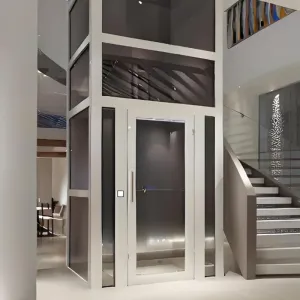
Home Elevator Para sa Mga Sariling Itinayong Villa At Duplex na Bahay
kategorya: Hydraulic Backpack-type na Home ElevatorMga view: 157serial number:oras ng paglabas: 2026-07-08 14:20:35Home Elevator Para sa Mga Sariling Itinayong Villa At Duplex na Bahay
balita
Pag-uuri:
Wala pang resulta ng paghahanap!
ang kaso
Pag-uuri:
Wala pang resulta ng paghahanap!
video
Pag-uuri:
Wala pang resulta ng paghahanap!
download
Pag-uuri:
Wala pang resulta ng paghahanap!
pangangalap
Pag-uuri:
Wala pang resulta ng paghahanap!
Mga Inirerekomendang Produkto
Wala pang resulta ng paghahanap!



 Telepono