
 English
 ไทย
ไทย Indonesia
 Tiếng Việt
Hydraulic Lift System
A hydraulic lift system is a machine that uses pressurized fluid to raise, lower, and support heavy loads. It is widely used in industrial equipment, automotive service platforms, construction machinery, warehouse lifts, and many other applications where strong and controlled vertical movement is required. The basic principle behind the system is simple: when pressure is applied to a confined liquid, that pressure is transmitted equally in all directions. This allows a relatively small input force to produce a much larger output force.A typical hydraulic lift system consists of several key components, including a hydraulic pump, fluid reservoir, control valves, hydraulic cylinders, hoses or pipes, and a power source. The pump draws hydraulic oil from the reservoir and sends it through the system under pressure. Control valves regulate the direction, flow, and pressure of the fluid, allowing the operator to move the lift smoothly and safely. The hydraulic cylinder is the main working part of the system. When pressurized oil enters the cylinder, it pushes the piston upward, which creates the lifting motion. When the fluid is released or redirected, the load can be lowered in a controlled manner.One of the greatest advantages of a hydraulic lift system is its ability to lift very heavy objects with precise control. Compared with mechanical lifting methods, hydraulic systems can provide smoother operation, higher force output, and better load stability. They are also flexible in design, making it possible to build lifts for different heights, capacities, and operating environments. Because of this, hydraulic lifts are used in car repair shops, factory lines, passenger elevators, aerial work platforms, and material handling systems.Safety is an important aspect of hydraulic lift design and operation. To prevent accidents, many systems are equipped with pressure relief valves, locking devices, overload protection, and emergency lowering functions. Regular inspection and maintenance are also essential. Hydraulic fluid should be checked for cleanliness and correct level, seals should be inspected for leaks, and moving parts should be lubricated and tested. If the system is neglected, performance may decline and safety risks may increase.Hydraulic lift systems are valued for their strength, reliability, and efficiency. They make it possible to move large loads with minimal effort while maintaining accurate control. With proper design and maintenance, a hydraulic lift system can provide long service life and dependable performance in many demanding applications.
produkto
Pag-uuri:
-
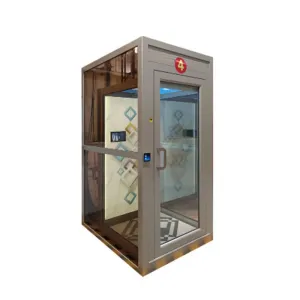
Residential Villa Small Hydraulic Backpack Type Home Elevator
kategorya: Hydraulic Backpack-type na Home ElevatorMga view: 126serial number:oras ng paglabas: 2026-07-08 14:20:24Residential Villa Small Hydraulic Backpack Type Home Elevator
balita
Pag-uuri:
Wala pang resulta ng paghahanap!
ang kaso
Pag-uuri:
Wala pang resulta ng paghahanap!
video
Pag-uuri:
Wala pang resulta ng paghahanap!
download
Pag-uuri:
Wala pang resulta ng paghahanap!
pangangalap
Pag-uuri:
Wala pang resulta ng paghahanap!
Mga Inirerekomendang Produkto
Wala pang resulta ng paghahanap!



 Telepono